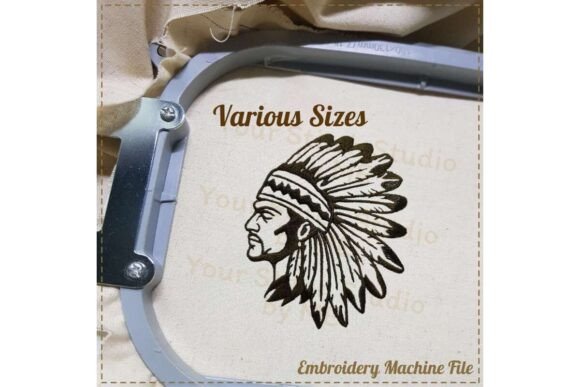
Indian Embroidery Design- Mascot School
First Impressions: Charm, Clarity, and Cultural Warmth
Opening the Indian Embroidery Design- Mascot School file felt like unrolling a hand-painted invitation — vibrant, intentional, and quietly confident. As an embroidery designer who’s tested hundreds of school-themed motifs, this one stands out for its balance: playful enough for a child’s tote bag, refined enough for a wedding keepsake pillow cover. It carries the gentle rhythm of traditional Indian motifs — think stylized peacocks, floral vines, or geometric borders — but reimagined with clean lines and thoughtful negative space. There’s no visual clutter. No overcrowded stems or over-stitched eyes. Instead, it breathes. That makes it ideal for personalized gift applications where emotional resonance matters more than flash.
Where This Design Truly Shines
The Indian Embroidery Design- Mascot School isn’t just versatile — it’s emotionally adaptive. On a soft cotton baby blanket? It reads as tender and heritage-rich, perfect for a newborn named after a family village or temple. Stitched onto a linen kitchen towel? It becomes a quiet celebration of education and pride — ideal for teacher appreciation gifts or alumni reunions. For an Etsy seller curating nursery decor, this design works beautifully on pillow covers and wall hangings, especially when paired with mustard, indigo, or terracotta thread colors that honor its roots.
Wedding gift designers will appreciate how easily it elevates a custom apron or embroidered tote — imagine “Class of ’98” stitched beneath the mascot in delicate script, or a couple’s initials tucked into a corner vine. For craft fair vendors and small shop owners, it’s a strong anchor design: recognizable at a glance, culturally grounded, and distinct from generic cartoon mascots. And because it’s built for machine embroidery design flexibility, you can scale it thoughtfully — slightly larger for a tote, gently reduced for a onesie (with caution — more on that soon).
Smart Placement: What to Embroider — and Where to Pause
This isn’t a “stitch-and-forget” file. Its charm lives in detail — and detail demands intention. Use it confidently on stable, medium-weight fabrics: cotton twill for aprons, combed cotton for towels, canvas for tote bags, and tightly woven quilting cotton for pillow covers and blanket embroidery. But tread carefully with stretchy knits (like baby bodysuits), heavily textured terry cloth (think thick bath towels), or curved surfaces like mugs or curved pillow inserts — those can distort fine lines or cause puckering.
Avoid shrinking the design too far for small lettering — the mascot’s expressive features and subtle textile-inspired fill patterns rely on minimum stitch clarity. If your customer requests it on dark fabric, always test contrast first: some thread palettes fade visually on navy or charcoal unless you use high-sheen rayon or metallic accents. And for items that face frequent washing — baby clothes, kitchen towels, aprons — confirm the stitch density supports durability. Overly dense fills may stiffen fabric or crack over time; overly sparse ones may look unfinished. When in doubt, run a printable mockup side-by-side on light and dark fabric swatches before committing.
Why Customers Connect — and Keep Coming Back
There’s something deeply human about choosing a personalized gift rooted in identity — whether it’s school pride, cultural belonging, or intergenerational storytelling. The Indian Embroidery Design- Mascot School taps into that instinct without leaning on cliché. It feels handmade, even when machine-stitched, because its rhythm mirrors hand-embroidered cadence: varied stitch lengths, intentional pauses between elements, and balanced weight distribution across the motif.
That perceived authenticity boosts trust. A buyer scrolling Etsy doesn’t just see “embroidered towel” — they see legacy, care, and intention. That lifts perceived value, supports premium pricing, and encourages repeat orders. Photograph it well — natural light, folded neatly beside a chalkboard with handwritten class year, or draped over a wooden chair with a stack of vintage books — and engagement rises. It tells a story before the first word is read.
Practical Notes Every Embroiderer Should Run Through
Before stitching your first customer order, treat the Indian Embroidery Design- Mascot School like a trusted collaborator — not a plug-in:
- Always test on scrap fabric — same fiber content and weight as your final product.
- Check thread color contrast on both light and dark substrates. Metallics or variegated threads can shift dramatically.
- Confirm hoop size compatibility. If your machine requires re-hooping mid-design, note where seams fall — avoid splitting delicate elements like eyes or petal tips.
- Review stabilizer needs: lightweight cutaway for stable wovens, tear-away for towels, and fusible + tear-away combo for knits (if using at all).
- Inspect small details post-stitch: Are vine ends crisp? Do mascot features read clearly at your chosen size? Trim loose threads gently — don’t rush.
- Verify commercial licensing before selling finished products. Since this is a digital embroidery file, confirm usage rights directly with the source — especially if listing on Etsy or producing wholesale for schools.
A Final Thought for Small Business Makers
The Indian Embroidery Design- Mascot School isn’t just another embroidery file. It’s a bridge — between tradition and modern gifting, between school spirit and heartfelt personalization, between digital convenience and tactile warmth. Whether you’re an Etsy seller building a niche around South Asian baby embroidery, a gift shop owner curating wedding keepsakes, or a custom embroidery studio expanding your school collection, this design invites deeper storytelling. It reminds customers — and you — that every stitch can carry meaning. Just make sure yours carries intention, too.