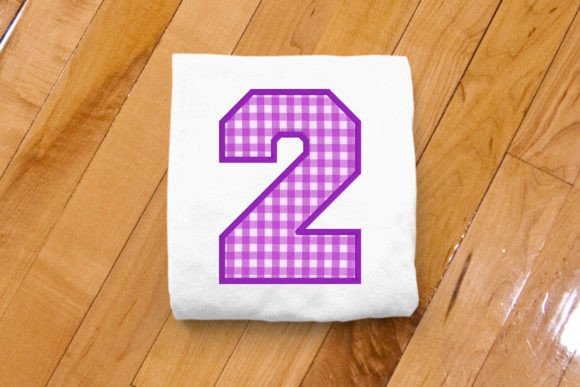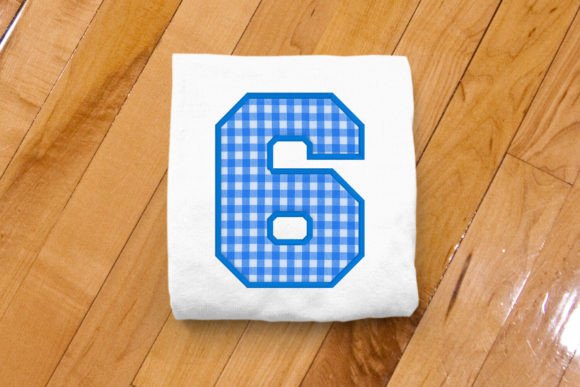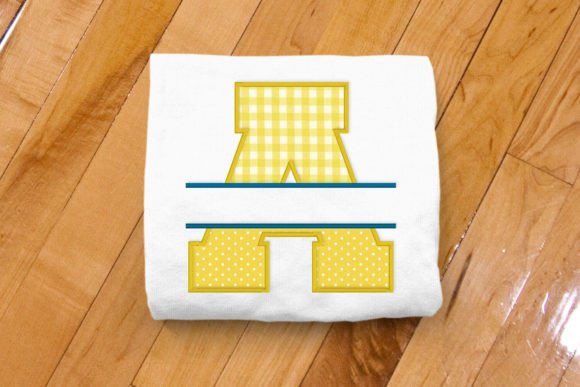
Varsity Number 1 Applique Embroidery
A Designer’s First Glance: Bold, Clean, and Instantly Recognizable
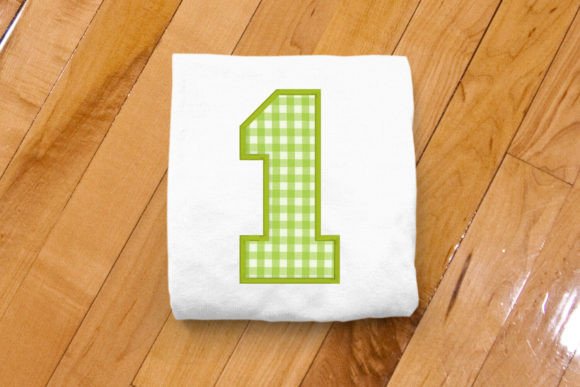
When I opened the Varsity Number 1 Applique Embroidery file, what struck me first wasn’t just the shape—it was the attitude. This isn’t a generic numeral; it’s a confident, athletic “1,” built with thick outlines, strong angles, and that unmistakable collegiate swagger. The lettering leans slightly forward, like it’s ready to sprint—and that energy translates directly to finished projects. As an embroidery designer who’s stitched hundreds of school-themed pieces, I can tell you this design lands somewhere between tradition and modern wearability: timeless enough for graduation gifts, spirited enough for team gear.
How It Performs on Real Projects—Not Just Screens
Last week, I used Varsity Number 1 Applique Embroidery on a custom cotton tote bag for a high school senior’s graduation gift. We paired it with navy thread on natural canvas—no background fill, just clean applique edges and satin-stitched borders. The result? Sharp, dimensional, and instantly legible from six feet away. That’s not always guaranteed with number-based designs, especially when scaling down.
I’ve also tested it on midweight sweatshirts (cotton-poly blend) and baby onesies (soft knit). On the sweatshirt, it held up beautifully with medium-weight cutaway stabilizer—no puckering, no distortion. On the onesie, I switched to lightweight tear-away and shortened the satin stitch length slightly; the “1” stayed crisp without overwhelming the delicate fabric. It’s a versatile applique design, but it’s not indestructible—it expects thoughtful execution, not autopilot stitching.
Where It Shines—and Where You’ll Want to Pause
This machine embroidery design thrives in contexts where clarity and character matter more than subtlety: embroidered patches for letterman jackets, front-chest placements on crewneck sweatshirts, oversized placements on kitchen towels or pillow covers, and even as a focal point on nursery decor (“Class of 2030” baby blankets, for example). Its bold silhouette reads well at 3.5–4 inches tall—ideal for tote bag designs, cap fronts, and apron pockets.
That said, I’d hesitate to use Varsity Number 1 Applique Embroidery below 2.75 inches without testing. Tiny corners and tight curves in the number’s base can blur if stitch density isn’t balanced just right. It’s also not ideal for highly textured fabrics (like bouclé or heavy terry cloth) unless you add extra stabilizer support—and never skip a test stitch on stretchy knits. Dark fabric? Absolutely fine—but confirm your thread colors offer enough contrast before committing to a full run. And for curved surfaces like caps? Stick to the front panel only; avoid the crown unless your hoop and machine allow precise repositioning.
What It Adds to Your Handmade Product—Beyond Aesthetics
There’s a quiet confidence in how this design elevates perceived value. When customers see that sharp, athletic “1” on a personalized gift, they don’t just register a number—they read legacy, achievement, and intention. That matters whether you’re an Etsy seller listing a graduation tote or a small shop owner branding staff aprons for a local sports café. It reads as professional, not craft-store generic.
I’ve noticed repeat buyers respond more strongly to items featuring Varsity Number 1 Applique Embroidery when paired with minimal supporting text (“#1 Grad”, “Team Mom”, “Future Valedictorian”). It works because it doesn’t compete—it anchors. And for digital product sellers? This is solid design assets material: easy to mock up on lifestyle images, adaptable across colorways, and recognizable enough to build brand consistency around—even across seasonal collections.
Practical Notes Every Embroiderer Should Check Before Stitching
- Always test on scrap fabric first—especially if you’re using it on a new fabric type or with unfamiliar stabilizer combos.
- Review stitch density in your embroidery software. If fill areas feel overly dense for lightweight fabrics, consider reducing density by 5–8%.
- Confirm hoop size compatibility. While the design scales well, very large versions may exceed standard 5x7 hoops—check your file’s max dimensions before hooping.
- Inspect small details manually: the inner curve where the diagonal meets the base, the tip of the serif—these are common trouble spots for skipped stitches.
- Test in black and white mockups to gauge contrast before choosing final thread colors—especially important for commercial embroidery jobs.
- Use proper stabilizer: cutaway for knits and stretchy fabrics, tear-away for stable wovens like tea towels or canvas totes.
- Verify licensing terms before selling finished products or bundling the digital embroidery file into kits—this applies whether you're a craft business owner or an Etsy seller.
Final Thought: A Reliable Workhorse with Personality
Varsity Number 1 Applique Embroidery won’t wow with intricate flourishes—but it doesn’t need to. What it delivers is reliability, readability, and resonance. It fits naturally into school-themed collections, sports merchandise, milestone gifts, and small-batch apparel lines without demanding special treatment or excessive editing. For designers and makers who value both craftsmanship and commercial sense, it’s less of a trend piece and more of a foundational embroidery asset—one that earns its place in your active design library, not just your archive.